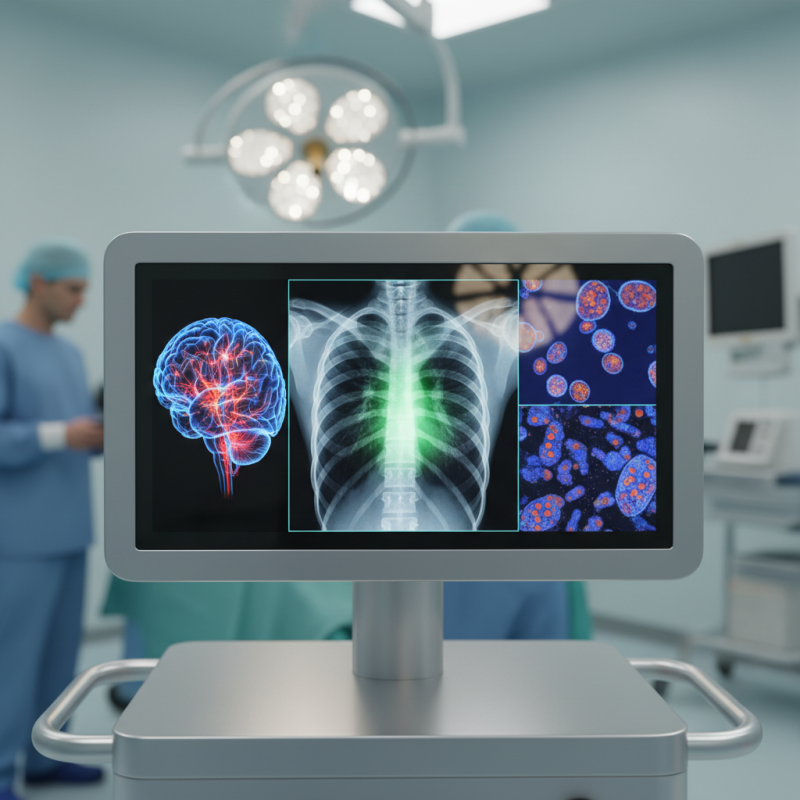
When it comes to healthcare, clear and accurate visuals are absolutely crucial. That’s where Medical Display Glass comes into play — these specialized screens are key in giving doctors and nurses the clear images they need. Brands like Barco and Eizo have really led the charge here, pushing the technology forward to make these displays better and more reliable.
Now, if you think about it, features like brightness, contrast, and color accuracy can literally mean the difference between a correct diagnosis and a missed one. Picture a surgeon trying to operate with a shabby image — not exactly comforting, right? The stakes are high, so these displays have to perform well in different lighting conditions and keep a steady quality, which isn’t always easy to pull off.
And let’s not forget durability. Medical environments are busy and demanding, so screens need to withstand constant use without falling apart. A fragile display can cause delays or even compromise patient care — not something anyone wants. Sadly, not all products out there meet these tough standards. As reliance on medical equipment displays grows, it’s clear that ongoing innovation and improvement are essential. Every feature needs to be looked at carefully to make sure it truly performs. At the end of the day, these displays aren’t just fancy gadgets — they can literally save lives.
For more info, check out this medical equipment display.
Key Specifications for Medical Display Glass in Healthcare Environments
In healthcare environments, the choice of medical display glass is critical. High-resolution displays are essential for accurate diagnostics. According to a recent industry report, 4K resolution enhances image detail significantly. This leads to better visualization of complex medical conditions. Detail matters, especially when viewing CT scans or MRIs.
Another key specification is the glass’ durability. medical monitor glass must withstand frequent cleaning and disinfecting. Studies show that anti-reflective coatings can reduce glare and improve visibility. They are crucial in bright environments like operating rooms. The lifespan of these displays can impact the overall cost-effectiveness for healthcare facilities.
Furthermore, response time is vital. Opt for medical display glass with quick refresh rates. A delay can cause misinterpretations during surgeries or critical diagnostics. Technologies are improving, but not every display meets the high standards required. Even slight imperfections in display clarity can lead to serious errors. Therefore, it’s essential to evaluate options carefully.
Importance of Resolution in Medical Display Glass for Accurate Diagnostics
The importance of resolution in medical display glass cannot be overstated. Clear and precise images are essential for accurate diagnostics. High resolution allows medical professionals to see minute details in images, aiding in the detection of abnormalities. This clarity directly impacts patient outcomes. When a physician can identify a subtle change in tissue, it can lead to timely intervention.
Inadequate resolution can mislead diagnoses. Sometimes, practitioners rely on visual cues that are not distinct enough. This lack of clarity might result in missed conditions or incorrect treatment plans. Higher pixel density in medical monitor protective glass enhances image fidelity. Medical professionals must demand high-quality displays that provide the best possible visual data.
Resolution is only one feature among many. Other aspects, like color accuracy and contrast, matter too. While we often focus on specifications, it's crucial to test and experience displays firsthand. Not all screens will perform as expected in a real-world clinical setting. Ultimately, the effectiveness of a medical display depends not only on its specs but also on how it’s used in practice.
Top 10 Medical Display Glass Features
Impact of Color Accuracy on Medical Imaging and Diagnosis
Color accuracy is crucial in medical imaging and diagnosis. Accurate colors can affect everything from identifying tumors to determining the right treatment. When doctors look at scans, precise hues can help them spot issues quickly. When colors are off, it may lead to misdiagnosis or missed problems. For instance, a slight change in the shade of tissue can mean the difference between healthy and cancerous cells.
Tips: Always check the calibration of your display device. Regular adjustments ensure consistent color representation. Consider the lighting conditions in the room. Ambient light can alter color perception significantly.
Investing in high-quality medical displays can be beneficial. However, not all medical displays are created equally. The technology behind some displays may not achieve the needed accuracy. It’s essential to weigh the features carefully. Understand what’s required for the specific medical field. All these factors play a role in effective diagnosis and treatment.
Durability Standards for Medical Displays: Ensuring Long-Lasting Performance
In the realm of medical displays, durability is paramount. These screens need to withstand daily use and potential hazards. Many medical professionals interact with displays in high-pressure environments. Therefore, robust materials are essential for long-lasting performance. Selecting a display that meets durability standards can significantly impact its lifespan.
Customized electronic AM display cover glass is an excellent choice for enhancing durability. This specialized glass is designed to resist scratches and impacts. It can endure the rigors of frequent cleaning, which is crucial in preventing contamination. However, not all glass is created equal. Some options may appear strong but fail under stress. It's important to scrutinize the specifications and tests conducted on the materials.
Moreover, the performance of a display isn’t solely dependent on glass strength. The technology behind the display also plays a crucial role. Color accuracy and brightness are essential for medical diagnostics. Yet, some displays prioritize strength over size or weight, affecting portability. Balancing these features is an ongoing challenge in medical display design.
Ergonomics in Medical Display Design: Enhancing User Experience
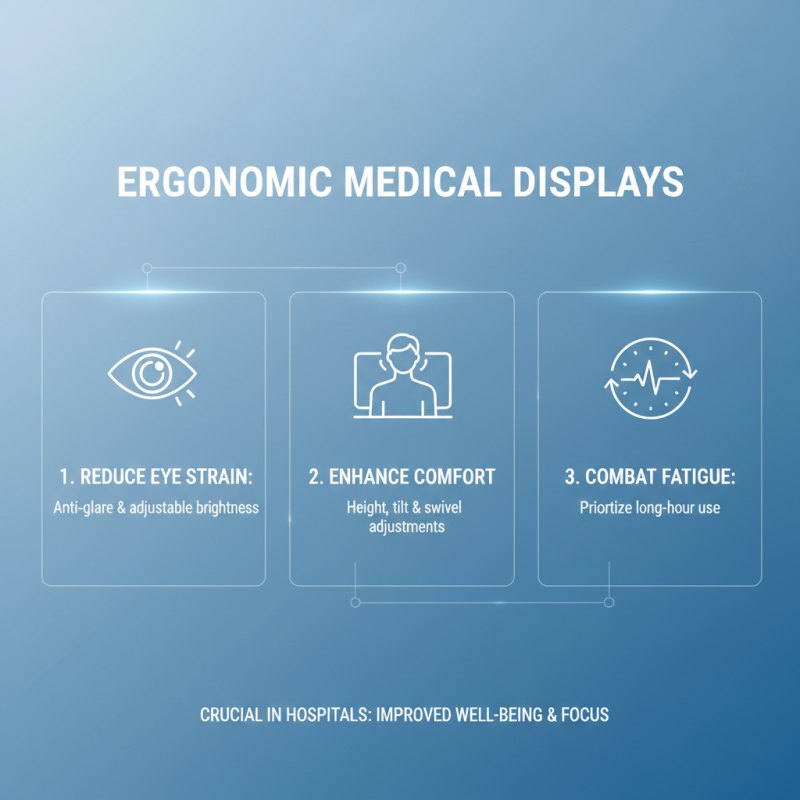
When it comes to medical display design, ergonomics plays a crucial role. A well-designed display should prioritize user comfort. This is vital in high-pressure environments like hospitals. Long hours spent at a monitor can lead to fatigue. Therefore, displays should minimize eye strain and physical discomfort.
Consider the height and angle of displays. They should be adjustable for various staff members. Ideally, the top of the screen should be at eye level. This simple change can greatly enhance posture. Screens with anti-glare coatings can further reduce strain. Incorporating these features helps maintain focus during critical tasks.
**Tips: Adjust your monitor’s brightness and contrast. This makes for a more enjoyable experience. Also, take short breaks to rest your eyes. Even a few seconds can make a difference.**
Some designs might not meet user needs effectively. For example, touchscreen interfaces can be awkward when wearing gloves. It’s essential to test different configurations to find the best setup. Feedback from users is vital. It allows designers to identify issues and improve functionality. Balancing aesthetics and practical use can sometimes be challenging. However, prioritizing ergonomics leads to better outcomes in patient care.
Compliance with Medical Display Standards: FDA and ISO Requirements
Compliance with medical display standards is crucial for ensuring patient safety. Regulatory bodies like the FDA and ISO set stringent requirements. For instance, the FDA mandates that medical devices meet performance standards, which include image quality and reliability. Achieving this can be challenging. Not all manufacturers know these regulations thoroughly.
ISO 13485 outlines a quality management system specific to medical devices. This means that manufacturers must ensure consistent product quality and safety. In recent reports, over 30% of medical display devices failed to meet ISO quality standards during audits. This highlights a significant gap in compliance. Medical display glass must have high resolution and clarity for accurate diagnostics. Yet, not every display meets these essential criteria.
The right Window Display Glass can improve visibility in critical scenarios. However, some displays may not withstand rigorous sterilization processes. This can reduce their lifespan and reliability. Today, many healthcare facilities are re-evaluating their display technologies.
Striving for compliance outside FDA and ISO recommendations creates an additional hurdle for manufacturers. It's vital to address these gaps in quality control to enhance overall patient care.
Emerging Technologies in Medical Display Glass: Trends and Innovations
Emerging technologies are reshaping medical display glass. These innovations enhance diagnostics and patient care. High-resolution displays improve image clarity. This clarity is crucial for identifying subtle changes in scans. Advanced color accuracy ensures true-to-life representations. It helps doctors make better decisions.
Tips for choosing medical display glass: Always prioritize image resolution. Check the refresh rate. A higher rate can reduce motion blur. Look for displays with anti-glare features. Glare can lead to misinterpretations during critical evaluations.
Another trend is touchscreen functionality. Interactivity improves user experience. However, be cautious. Touchscreens can be cleaned frequently but may wear out faster.
Consider ease of integration with existing systems. Compatibility issues can hinder clinical workflow. The right display should seamlessly connect with imaging devices. Future trends indicate the use of augmented reality. This could transform surgical procedures. However, technology adoption needs thorough training.
Top 10 Medical Display Glass Features You Need to Know
| Feature |
Description |
Benefit |
| High Resolution |
Displays images with extreme clarity |
Enhances diagnostic accuracy |
| Wide Color Gamut |
Supports a broad range of colors |
More accurate representation of medical images |
| Anti-Glare Coating |
Reduces reflections on the screen |
Improves visibility in bright environments |
| Touchscreen Functionality |
Allows for intuitive interaction |
Enhances workflow efficiency |
| Durability |
Resistant to impact and scratches |
Increases longevity and reduces replacement costs |
| Enhanced Brightness |
Higher luminance for better visibility |
Improves performance in various lighting conditions |
| Image Calibration |
Allows precise adjustment of display settings |
Ensures accurate color reproduction |
| Multiple Input Options |
Supports various connection types |
Versatile for different medical devices |
| Seamless Integration |
Compatible with existing systems |
Simplifies upgrades and updates |
| Sustainable Materials |
Made from eco-friendly resources |
Reduces environmental impact |
Innovative Uses of Custom Silk Printed Tempered Glass for Touchscreen Tables and Smart Whiteboards
Custom silk printed tempered glass panels are revolutionizing the way we interact with touchscreen tables and smart whiteboards. Available in sizes ranging from 32 to 86 inches, these sleek panels are designed to meet diverse requirements while seamlessly integrating into various environments. Their black silk-printed finish not only enhances the aesthetic appeal but also ensures an exceptional user experience, allowing for a sophisticated look that complements modern spaces.
The engineering behind these tempered glass panels is noteworthy, combining durability and clarity for optimal performance. With thickness options from 2 to 4mm, they are engineered to be both scratch-resistant and resilient, making them an ideal choice for high-traffic areas. Moreover, the option for custom printing allows businesses and educators to personalize their displays, enhancing branding opportunities and adding a unique touch to any interactive setting. By incorporating innovative materials and designs, these tempered glass covers elevate the functionality of touchscreen technology, setting a new standard for interactive displays.
FAQS
: High-resolution glass enhances image detail. This improves visualization of complex medical conditions and aids accurate diagnostics.
Durable glass can withstand frequent cleaning and disinfecting. This is essential in maintaining hygiene in healthcare settings.
Anti-reflective coatings reduce glare. They improve visibility in bright environments like operating rooms, enhancing user experience.
Quick refresh rates prevent misinterpretations during surgeries. Delays can lead to serious errors in diagnostics and patient care.
Ergonomic designs reduce eye strain and physical discomfort. Adjustable height and angle enhance posture during long hours of use.
Touchscreens can be awkward to use with gloves. It’s important to test configurations to find effective setups.
Non-compliance can jeopardize patient safety. Many devices fail regulatory audits, showing gaps in product quality and reliability.
Proper adjustments create a more enjoyable experience. Taking short breaks also helps reduce eye fatigue during long monitoring periods.
Not all displays are designed to withstand rigorous sterilization. This can affect their lifespan and reliability in clinical settings.
User feedback helps identify issues with functionality. It guides designers in creating displays that effectively meet user needs.
Conclusion
This article delves into the essential features of Medical Display Glass critical for healthcare environments. It highlights key specifications, emphasizing the importance of high resolution for accurate diagnostics, as well as the need for color accuracy in medical imaging to enhance diagnosis. Durability standards are also discussed to ensure reliable, long-lasting performance in demanding medical settings.
Additionally, the article addresses the ergonomics of medical display design, aiming to improve user experience for healthcare professionals. Compliance with medical display standards, including FDA and ISO requirements, is crucial for ensuring safety and effectiveness. Lastly, emerging technologies in Medical Display Glass are explored, showcasing the latest trends and innovations that are shaping the future of medical imaging in healthcare.